
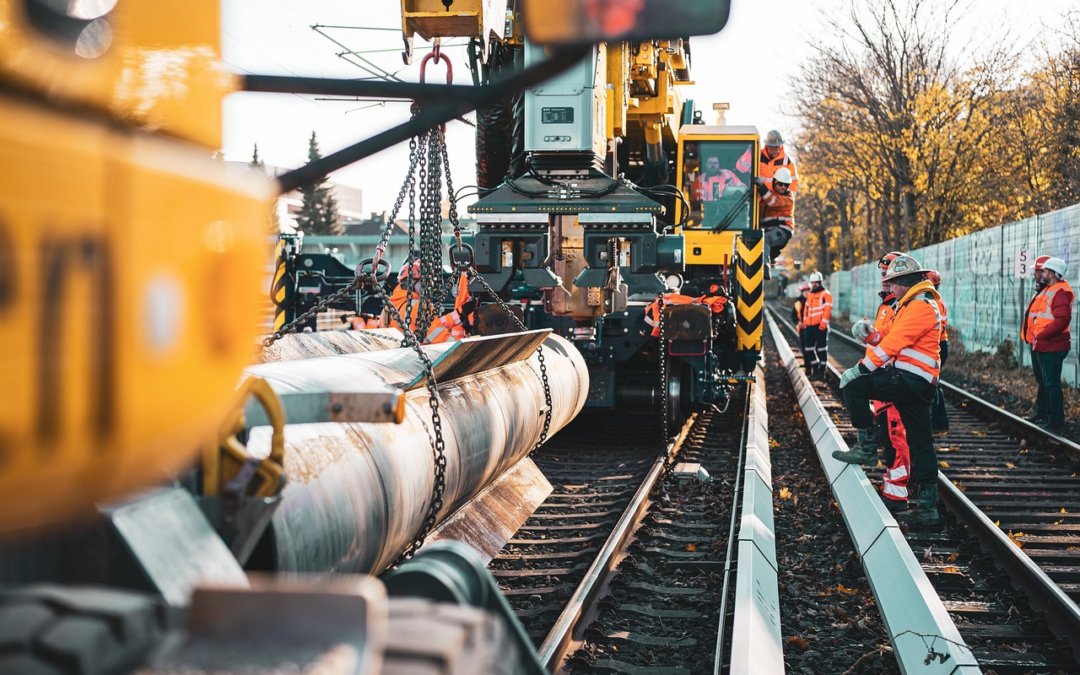
If you’ve ever tried to hire a crane operator, an excavator technician, or a heavy equipment site supervisor, you know the job board approach rarely works. These candidates aren’t browsing Indeed. They’re on a job site. The best ones are already employed and not looking. That’s why so many companies end up working with a heavy equipment recruiter, and why picking the right one matters.
This post covers what to look for, what questions to ask, and where most companies go wrong.
Why heavy equipment recruiting is different from general hiring
The technical bar is high and very specific. A recruiter who doesn’t know the difference between a Red Seal ticket and a standard operator certification will send you the wrong people. It happens constantly with generalist firms.
Heavy equipment roles often come with safety requirements, equipment-specific experience, and site certifications that vary by province or state. A recruiter who hasn’t placed these roles before won’t know what to screen for. They’ll filter on job titles and miss the credentials that actually matter.
This is why industry-specific recruiting experience matters more in this field than in most. The technical knowledge gap between a specialist and a generalist shows up fast in the quality of the shortlist.
The candidates worth hiring aren’t applying to your posting
Most skilled heavy equipment operators and supervisors are working. They’re not checking job boards on their lunch break. If your posting has been live for three weeks and nobody good has applied, that’s not a marketing problem. It’s a sourcing problem.
A recruiter worth hiring will reach out directly to people who fit the role. That means phone calls to people currently in similar positions, conversations with candidates who aren’t actively looking, and referrals from people inside the industry. Passive sourcing is slower than posting a job, but it finds better people.
Ask any recruiter you’re evaluating: how do you find candidates who aren’t on job boards? If the answer is vague, that tells you something.
What to look for when you’re comparing recruiters
Start with placements, not promises. Ask how many heavy equipment roles they’ve filled in the last 12 months. Ask what types of equipment and what industries. A recruiter with real depth in construction and mining will answer those questions with specifics. One who’s been dabbling will give you generalities.
Check retention too. A placement that leaves in four months isn’t a success. Good recruiters track whether their hires stick around. Some will share that data if you ask. Others won’t, and that’s worth noting.
Also ask about their screening process. Do they verify certifications before presenting a candidate? Do they talk to the candidate on the phone before sending a resume? These aren’t complicated questions, but the answers separate firms that are thorough from ones that are just moving fast.
Don’t mistake a large database for a strong network
Many recruiting firms lead with database size. Thousands of candidates. Millions of contacts. That sounds impressive but it doesn’t mean much if the data is two years old.
A recruiter who personally knows the people they’re calling will always outperform a recruiter running a search against a stale list. Personal relationships in this industry are built on job sites and through industry associations, not through resume uploads.
When you talk to a recruiter for the first time, pay attention to whether they’re describing a process or describing relationships. Both matter, but relationships drive results in a field this specialized.
Referrals are still the most reliable way to find a good recruiter
If someone in your industry has used a heavy equipment recruiter and had a good experience, that referral is worth more than any website or directory listing. Ask your industry contacts, people you know at other construction or mining companies, who they’ve used and whether they’d use them again.
A referral also gives you a real person to call. You can ask specific questions: how long did the search take, what were the candidates like, was the recruiter honest when things got complicated? That kind of detail is hard to find anywhere else.
The fee conversation shouldn’t be the first one you have
Most heavy equipment recruiters work on contingency. You pay a percentage of the placed candidate’s first-year salary, typically 20 to 25 percent, and only if someone gets hired. There’s no upfront cost.
That model makes the fee feel low-risk, and it often is. But don’t choose a recruiter based on fee alone. A cheaper recruiter who sends three unqualified candidates and disappears costs more than a more experienced one who fills the role in 30 days.
The real cost is the vacancy. A site supervisor position sitting open for 60 days has a real productivity cost. If the right recruiter cuts that in half, the fee pays for itself. Understanding how the process works before you start helps you set realistic expectations on both timeline and cost.
Questions worth asking before you commit
Ask how many heavy equipment searches they’ve run in the past year. Ask what the hardest role they placed recently was and how they found the candidate. Ask what happens if the hire doesn’t work out in the first 90 days. Most reputable firms offer a replacement guarantee. Find out what it covers and how long it runs.
Also ask about communication. How often will they update you? Who is your point of contact? Will you be working directly with the person running the search or passed to a junior team member? These logistics matter more than people expect, especially on a search that might run six to eight weeks.
One thing most employers forget to do
Check whether the recruiter has worked in your specific geography. Heavy equipment hiring in Northern Ontario is different from hiring in Southern Alberta. Labour markets, certification requirements, and candidate availability all vary. A recruiter who knows your region will move faster and find better fits than one who is learning the market on your dime.
If you’re not sure where to start, take a look at what roles are currently being placed or get in touch directly to talk through what your search requires. The right recruiter will tell you honestly whether they’re a good fit for what you need, and that honesty is usually a sign you’re talking to the right one.