
Oil, Gas, & Mining
When Your Oil, Gas, or Mining Search Has Been Open Too Long
Oil, Gas, & Mining
The role has been posted and internal teams have reviewed applications. Maybe a recruiter was brought in, screened candidates who looked good on paper but failed technical checks, or candidates were qualified but not interested in the location. Perhaps the compensation was not competitive and you only found out months later. Whatever the sequence, the result is the same: the position remains open, operational pressure is rising, and others are quietly covering the workload.
Senior hiring in oil, gas, and mining does not respond to the usual approaches. The candidate pool is smaller, highly specialized, geographically spread, and far less likely to be browsing job boards. Reaching the right person requires a different kind of effort that standard recruiting channels are not built for.
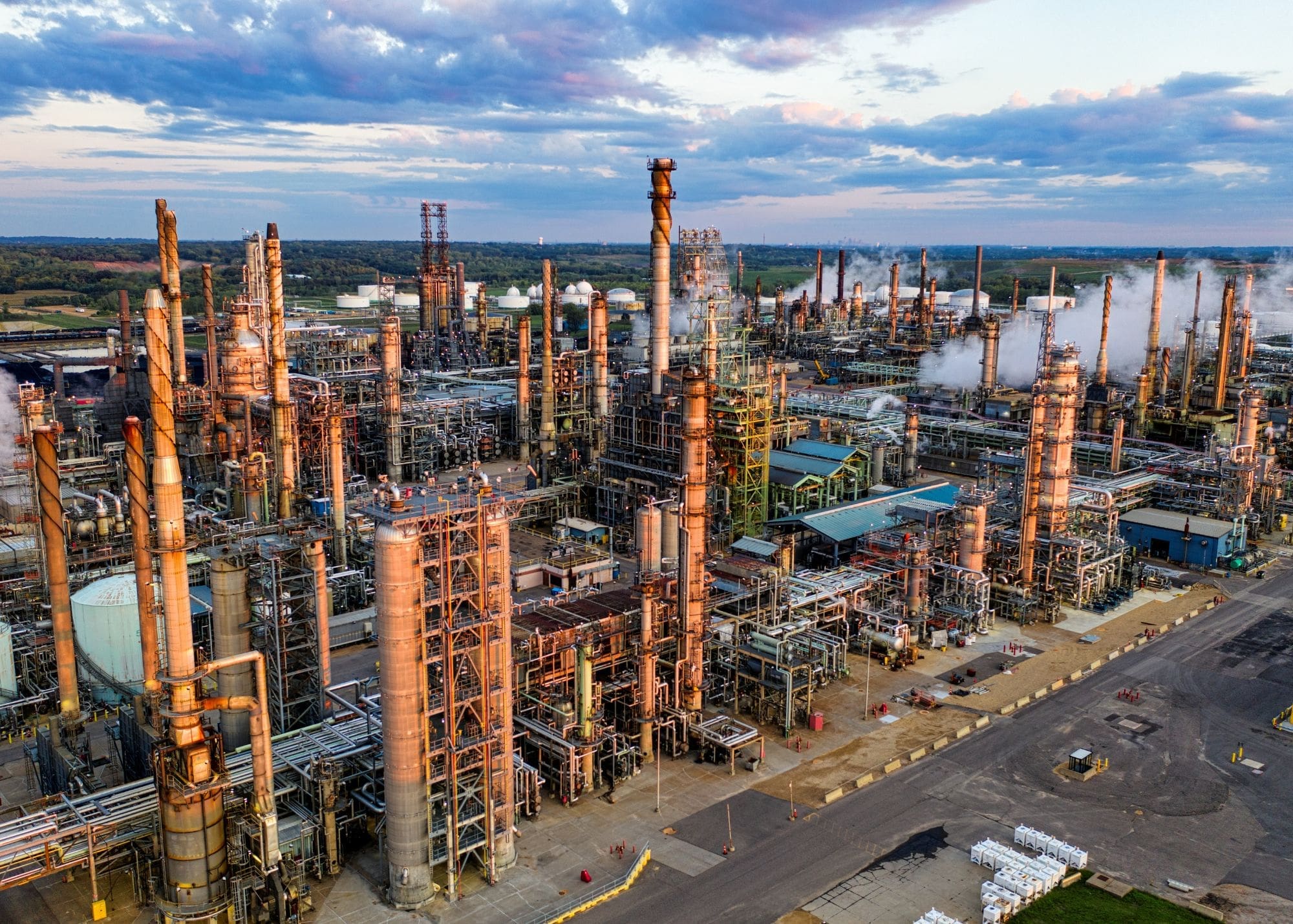
Roles Commonly Filled in Oil, Gas, & Mining

Why Resource Sector Hiring Requires a Specialized Approach
Your Title Goes Here
Your content goes here. Edit or remove this text inline or in the module Content settings. You can also style every aspect of this content in the module Design settings and even apply custom CSS to this text in the module Advanced settings.
What Makes Hiring in This Industry Different
The technical requirements in oil, gas, and mining are specific and non-negotiable in ways that can be difficult to explain to someone outside the industry. A Senior Process Engineer in upstream oil and gas needs direct experience with production optimization, facility design, or pipeline integrity, depending on the focus of the role. A Mine Superintendent needs to understand blast design, ground control, ventilation systems, and the operational rhythm of the specific mining method in use at the site. A Health, Safety and Environment Manager need to know the regulatory environment in the province or territory they are working in, whether that is the Oil and Gas Conservation Act in Alberta, the Mines Act in British Columbia, or the occupational health requirements under provincial legislation that varies significantly across jurisdictions.
Professional designations matter in this industry. A P.Eng. designation from a provincial engineering association is a real requirement for many technical roles, not a preference. So is CAPP safety training, TDG certification, H2S Alive for certain site roles, and in some cases, WHMIS and first aid certifications that go beyond the standard level. A recruiter who does not understand which credentials are required versus which are preferred, and why, will screen candidates incorrectly from the start and send you people who cannot actually do the job.
Location adds another layer of complexity. Many of the best candidates for oil sands, northern mining, or offshore roles have strong opinions about where they are willing to work, what rotation schedule is acceptable, and whether fly-in fly-out arrangements work for their situation. These are conversations that need to happen early, and they require some understanding of what those environments actually look like day to day.
Why Internal HR and Generalist Recruiters Fall Short
Internal HR teams in resource sector companies are often dealing with significant volume across a wide range of roles, particularly during periods of operational expansion or workforce transition. Finding bandwidth for a senior, niche search at the same time is difficult, and the passive candidate market for technical oil, gas, and mining roles is simply not accessible through job postings and applicant tracking. The people you want are employed, in many cases in remote locations, and largely invisible to traditional sourcing methods.
Generalist agencies bring a different limitation. The resource sector has its own vocabulary, its own credential landscape, and its own culture, and a recruiter who does not know the difference between a Drilling Superintendent and a Completions Engineer, or who cannot speak intelligently about what drives a candidate’s decision to consider a new site, is not going to get very far in a conversation with a senior technical professional. Candidates in this industry are experienced enough to identify quickly whether the person calling them actually knows the space, and if the answer is no, the call ends early.
What a Typical Engagement Looks Like
A mid-sized mining operation in northern Ontario had a Mine Superintendent role open for close to four months. The position required specific underground hard rock experience and familiarity with the regulatory requirements under Ontario’s Mining Act. Two searches had been attempted, one internal and one through a generalist agency, without producing a viable candidate. After the engagement started, direct outreach into the passive candidate market focused on people currently working in comparable underground operations. Several of the initial contacts provided referrals that extended the reach of the search beyond the original target list. A qualified candidate was identified and placed within eight weeks of the engagement starting. The candidate had not applied to any posted position and was not actively considering a move before being contacted.
Why Resource Sector Hiring Requires a Specialized Approach
Your Title Goes Here
Your content goes here. Edit or remove this text inline or in the module Content settings. You can also style every aspect of this content in the module Design settings and even apply custom CSS to this text in the module Advanced settings.
What Makes Hiring in This Industry Different
The technical requirements in oil, gas, and mining are specific and non-negotiable in ways that can be difficult to explain to someone outside the industry. A Senior Process Engineer in upstream oil and gas needs direct experience with production optimization, facility design, or pipeline integrity, depending on the focus of the role. A Mine Superintendent needs to understand blast design, ground control, ventilation systems, and the operational rhythm of the specific mining method in use at the site. A Health, Safety and Environment Manager need to know the regulatory environment in the province or territory they are working in, whether that is the Oil and Gas Conservation Act in Alberta, the Mines Act in British Columbia, or the occupational health requirements under provincial legislation that varies significantly across jurisdictions.
Professional designations matter in this industry. A P.Eng. designation from a provincial engineering association is a real requirement for many technical roles, not a preference. So is CAPP safety training, TDG certification, H2S Alive for certain site roles, and in some cases, WHMIS and first aid certifications that go beyond the standard level. A recruiter who does not understand which credentials are required versus which are preferred, and why, will screen candidates incorrectly from the start and send you people who cannot actually do the job.
Location adds another layer of complexity. Many of the best candidates for oil sands, northern mining, or offshore roles have strong opinions about where they are willing to work, what rotation schedule is acceptable, and whether fly-in fly-out arrangements work for their situation. These are conversations that need to happen early, and they require some understanding of what those environments actually look like day to day.
Why Internal HR and Generalist Recruiters Fall Short
Internal HR teams in resource sector companies are often dealing with significant volume across a wide range of roles, particularly during periods of operational expansion or workforce transition. Finding bandwidth for a senior, niche search at the same time is difficult, and the passive candidate market for technical oil, gas, and mining roles is simply not accessible through job postings and applicant tracking. The people you want are employed, in many cases in remote locations, and largely invisible to traditional sourcing methods.
Generalist agencies bring a different limitation. The resource sector has its own vocabulary, its own credential landscape, and its own culture, and a recruiter who does not know the difference between a Drilling Superintendent and a Completions Engineer, or who cannot speak intelligently about what drives a candidate’s decision to consider a new site, is not going to get very far in a conversation with a senior technical professional. Candidates in this industry are experienced enough to identify quickly whether the person calling them actually knows the space, and if the answer is no, the call ends early.
What a Typical Engagement Looks Like
A mid-sized mining operation in northern Ontario had a Mine Superintendent role open for close to four months. The position required specific underground hard rock experience and familiarity with the regulatory requirements under Ontario’s Mining Act. Two searches had been attempted, one internal and one through a generalist agency, without producing a viable candidate. After the engagement started, direct outreach into the passive candidate market focused on people currently working in comparable underground operations. Several of the initial contacts provided referrals that extended the reach of the search beyond the original target list. A qualified candidate was identified and placed within eight weeks of the engagement starting. The candidate had not applied to any posted position and was not actively considering a move before being contacted.

The Steven Cardwell Approach
Every search begins with direct outreach to employed candidates who meet the exact technical and operational requirements. In oil, gas, and mining, this means contacting people in comparable roles, leveraging long-standing referral networks, and understanding the role, site, and what will attract strong candidates. Candidates are technically screened before reaching the client, including verification of designations, hands-on experience, and discussions about location, rotation, and compensation. The goal is a qualified shortlist of candidates who are genuinely open to the opportunity. The contingency model ensures no fee unless a placement is made, with a 90-day guarantee. Searches continue until the role is filled or until adjustments to the role scope are needed, with clients receiving honest feedback throughout.
If Your Search Has Stalled, It Costs Nothing to Talk
If an oil, gas, or mining role has been open for 30 days or more without a qualified candidate in front of you, the next step is a conversation about what the search requires, what has already been tried, and whether there is a realistic path to filling it. There is no financial commitment until a placement is made. If it becomes clear in the first conversation that the fit is not right, that will come out early. Reach out directly and let’s talk through where the search stands and what a different approach would look like.
GET IN TOUCH
Ready to Work Together?
If you have a challenging search that needs an experienced recruiter who actually picks up the phone, let's talk.