
Transportation Equipment
When Your Transportation Equipment Search Has Been Open Too Long
Transportation Equipment
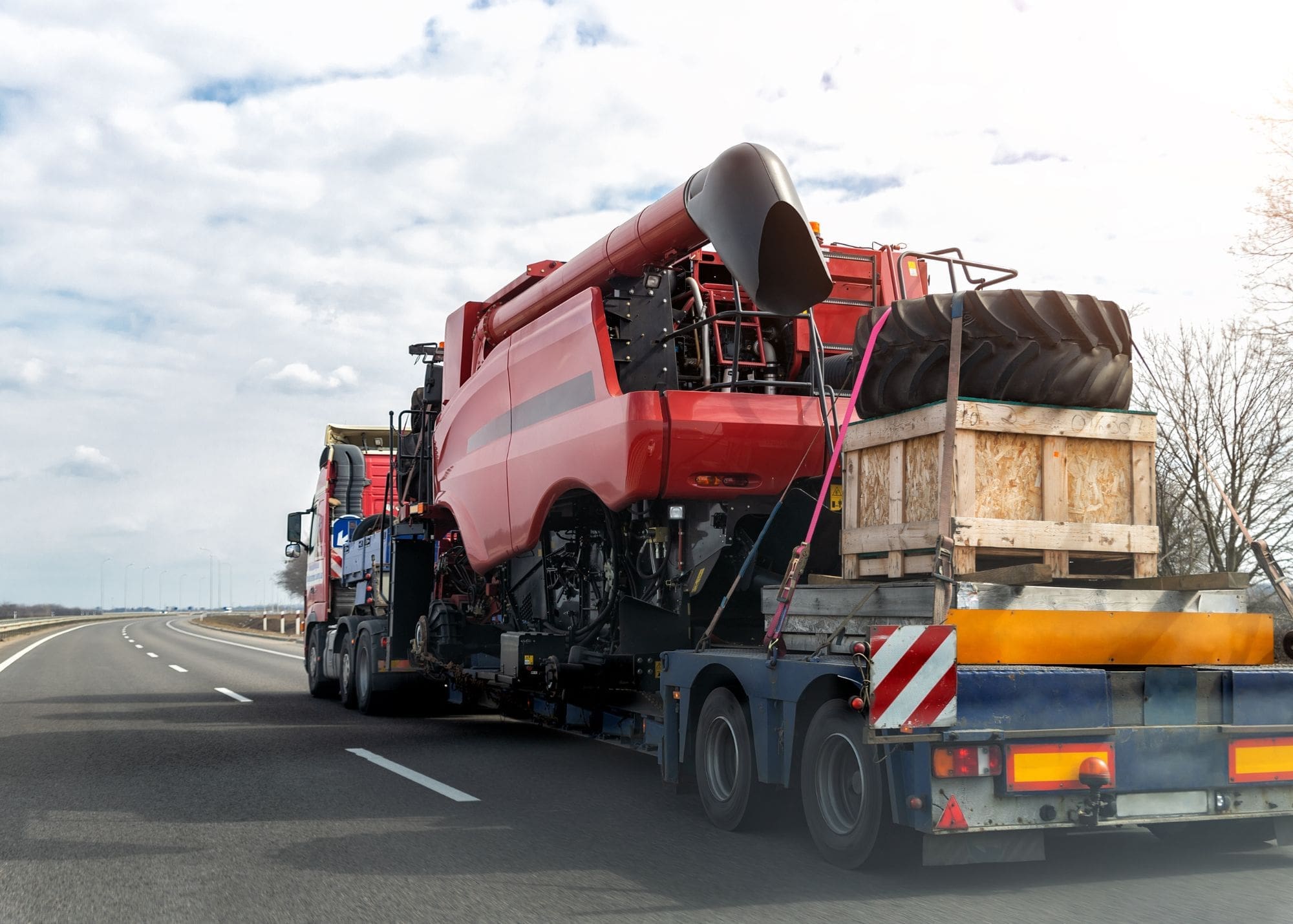
Roles Commonly Filled in Transportation Equipment

Hiring in Transportation Equipment
Your Title Goes Here
Your content goes here. Edit or remove this text inline or in the module Content settings. You can also style every aspect of this content in the module Design settings and even apply custom CSS to this text in the module Advanced settings.
What Makes Hiring in Transportation Equipment Different
Transportation equipment manufacturing covers a wide range of products including commercial vehicles, rail cars, buses, trailers, and specialized equipment for defence, municipal, and industrial applications. What these product categories share is a set of engineering and operational requirements that are specific enough to make generalist recruiting genuinely ineffective at the senior level. A Director of Engineering at a commercial vehicle manufacturer needs direct experience with vehicle systems integration, regulatory homologation requirements, and the specific engineering processes that govern how a product moves from design through validation to production release. That background does not transfer easily from consumer electronics or industrial machinery, and a candidate who has not navigated it before will face a learning curve that shows up in program timelines and product quality.
Quality and regulatory requirements in this sector are specific and consequential. IATF 16949 certification applies to automotive supply chain participants including transportation equipment suppliers, and senior quality roles require candidates who have led audits, managed customer-specific requirements from major OEMs, and built quality management systems that hold up under third-party scrutiny. For rail equipment, Transport Canada regulations and the requirements of the Association of American Railroads govern how products are designed, tested, and certified. A Quality Manager or Chief Engineer who has not worked within these frameworks is not ready for a senior role in the sector without significant time to develop that knowledge.
Manufacturing engineering in transportation equipment also carries specific demands around tooling, fixturing, and the process engineering required to build large, complex assemblies efficiently and repeatably. A Manufacturing Engineering Manager who has spent their career in high-volume stamping or injection moulding brings a different set of instincts than one who has managed the build of low-volume, high-complexity vehicle or rail car assemblies. The difference matters operationally, and a recruiter who cannot identify it will not screen for it.
On the forestry side, a Woodlands Manager or Harvesting Superintendent needs to understand silviculture requirements, provincial forestry legislation, equipment fleet management, and the seasonal operational constraints that shape every decision from tenure planning to road building. Forest tenure agreements, sustainable forest management certification under the Sustainable Forestry Initiative or the Forest Stewardship Council, and the environmental assessment requirements that accompany major harvesting operations are real regulatory frameworks that senior candidates need to navigate, not general concepts they can learn after starting the role.
Skilled trades in this sector carry their own credential requirements. A Power Engineer with the right provincial ticket class is a specific and sometimes scarce resource, particularly at the second- or third-class level required for operating high-pressure boiler systems in a pulp mill or co-generation facility. A millwright or instrumentation technician with experience on the specific equipment used in paper manufacturing, whether that is Fourdrinier machines, calendar stacks, or recovery boiler instrumentation systems, is not interchangeable with someone from a different process industry. The specificity matters, and a recruiter who does not understand it will not know who to look for or how to evaluate them when they find them.
Why Internal HR and Generalist Recruiters Fall Short
Internal HR teams at transportation equipment manufacturers are often managing significant hiring volume across the organization, particularly during periods of program launch or production ramp. Allocating focused attention to a senior passive candidate search within that environment is difficult, and the passive candidate market for senior engineering and operations roles in this sector is not accessible through job postings. The people qualified for these roles are employed, typically in demanding program environments, and not browsing job boards between meetings. Reaching them requires direct outreach that internal teams are rarely positioned to sustain alongside everything else they are managing.
Generalist recruiting agencies face a knowledge gap that becomes apparent quickly in conversations with senior transportation equipment candidates. A Program Manager with 20 years of experience in commercial vehicle development can tell within the first two minutes of a call whether the person reaching out understands the industry. If the recruiter’s framing of the opportunity is vague, if they cannot speak to the specific technical demands of the role, or if they are clearly working from a job description without any deeper understanding of the operational context, the call ends and the opportunity is lost. In a candidate pool this specialized, those early impressions are difficult to recover from.
Internal HR teams at mill operations are frequently managing the full range of workforce challenges that come with a large industrial site, including safety compliance, labour relations, and high-volume hourly hiring. Carving out the focused time and the specialized network access that a senior passive candidate search requires is difficult in that environment. The problem compounds when the role is technical enough that screening candidates accurately requires knowledge of the specific operational systems and credential requirements involved.
Generalist recruiting agencies rarely have the industry-specific knowledge that makes a difference in paper and forest products. A cold call to a senior pulp mill engineer or a Woodlands Manager from a recruiter who cannot speak intelligently about the work is a short call. Experienced operators in this sector have heard from recruiters who do not understand the industry before, and they have learned to recognize it quickly. The credibility of the person making the call shapes whether the candidate stays on the phone long enough to hear about the opportunity.
What a Typical Engagement Looks Like
A mid-sized bus manufacturer in Ontario had a Director of Engineering position open for just over four months. The role required direct experience with transit bus systems integration, familiarity with customer-specific requirements from municipal transit authorities, and a track record of leading engineering teams through product development programs from concept through production release. Internal recruiting had not produced candidates with the right combination of vehicle systems experience and senior leadership background. A generalist agency had been engaged and produced candidates with strong engineering credentials but from sectors where the product complexity and regulatory context were meaningfully different. After the engagement started, direct outreach focused on engineering leaders currently working at other transit vehicle manufacturers and their key suppliers. A qualified candidate was identified through a direct call to someone who had been referred by a contact in the industry who was not personally interested in the role. The position was filled within eight weeks of the engagement starting. The candidate had not been applying to posted positions and had not been aware the role existed before being contacted.
Hiring in Transportation Equipment
Your Title Goes Here
Your content goes here. Edit or remove this text inline or in the module Content settings. You can also style every aspect of this content in the module Design settings and even apply custom CSS to this text in the module Advanced settings.
What Makes Hiring in Transportation Equipment Different
Transportation equipment manufacturing covers a wide range of products including commercial vehicles, rail cars, buses, trailers, and specialized equipment for defence, municipal, and industrial applications. What these product categories share is a set of engineering and operational requirements that are specific enough to make generalist recruiting genuinely ineffective at the senior level. A Director of Engineering at a commercial vehicle manufacturer needs direct experience with vehicle systems integration, regulatory homologation requirements, and the specific engineering processes that govern how a product moves from design through validation to production release. That background does not transfer easily from consumer electronics or industrial machinery, and a candidate who has not navigated it before will face a learning curve that shows up in program timelines and product quality.
Quality and regulatory requirements in this sector are specific and consequential. IATF 16949 certification applies to automotive supply chain participants including transportation equipment suppliers, and senior quality roles require candidates who have led audits, managed customer-specific requirements from major OEMs, and built quality management systems that hold up under third-party scrutiny. For rail equipment, Transport Canada regulations and the requirements of the Association of American Railroads govern how products are designed, tested, and certified. A Quality Manager or Chief Engineer who has not worked within these frameworks is not ready for a senior role in the sector without significant time to develop that knowledge.
Manufacturing engineering in transportation equipment also carries specific demands around tooling, fixturing, and the process engineering required to build large, complex assemblies efficiently and repeatably. A Manufacturing Engineering Manager who has spent their career in high-volume stamping or injection moulding brings a different set of instincts than one who has managed the build of low-volume, high-complexity vehicle or rail car assemblies. The difference matters operationally, and a recruiter who cannot identify it will not screen for it.
On the forestry side, a Woodlands Manager or Harvesting Superintendent needs to understand silviculture requirements, provincial forestry legislation, equipment fleet management, and the seasonal operational constraints that shape every decision from tenure planning to road building. Forest tenure agreements, sustainable forest management certification under the Sustainable Forestry Initiative or the Forest Stewardship Council, and the environmental assessment requirements that accompany major harvesting operations are real regulatory frameworks that senior candidates need to navigate, not general concepts they can learn after starting the role.
Skilled trades in this sector carry their own credential requirements. A Power Engineer with the right provincial ticket class is a specific and sometimes scarce resource, particularly at the second- or third-class level required for operating high-pressure boiler systems in a pulp mill or co-generation facility. A millwright or instrumentation technician with experience on the specific equipment used in paper manufacturing, whether that is Fourdrinier machines, calendar stacks, or recovery boiler instrumentation systems, is not interchangeable with someone from a different process industry. The specificity matters, and a recruiter who does not understand it will not know who to look for or how to evaluate them when they find them.
Why Internal HR and Generalist Recruiters Fall Short
Internal HR teams at transportation equipment manufacturers are often managing significant hiring volume across the organization, particularly during periods of program launch or production ramp. Allocating focused attention to a senior passive candidate search within that environment is difficult, and the passive candidate market for senior engineering and operations roles in this sector is not accessible through job postings. The people qualified for these roles are employed, typically in demanding program environments, and not browsing job boards between meetings. Reaching them requires direct outreach that internal teams are rarely positioned to sustain alongside everything else they are managing.
Generalist recruiting agencies face a knowledge gap that becomes apparent quickly in conversations with senior transportation equipment candidates. A Program Manager with 20 years of experience in commercial vehicle development can tell within the first two minutes of a call whether the person reaching out understands the industry. If the recruiter’s framing of the opportunity is vague, if they cannot speak to the specific technical demands of the role, or if they are clearly working from a job description without any deeper understanding of the operational context, the call ends and the opportunity is lost. In a candidate pool this specialized, those early impressions are difficult to recover from.
Internal HR teams at mill operations are frequently managing the full range of workforce challenges that come with a large industrial site, including safety compliance, labour relations, and high-volume hourly hiring. Carving out the focused time and the specialized network access that a senior passive candidate search requires is difficult in that environment. The problem compounds when the role is technical enough that screening candidates accurately requires knowledge of the specific operational systems and credential requirements involved.
Generalist recruiting agencies rarely have the industry-specific knowledge that makes a difference in paper and forest products. A cold call to a senior pulp mill engineer or a Woodlands Manager from a recruiter who cannot speak intelligently about the work is a short call. Experienced operators in this sector have heard from recruiters who do not understand the industry before, and they have learned to recognize it quickly. The credibility of the person making the call shapes whether the candidate stays on the phone long enough to hear about the opportunity.
What a Typical Engagement Looks Like
A mid-sized bus manufacturer in Ontario had a Director of Engineering position open for just over four months. The role required direct experience with transit bus systems integration, familiarity with customer-specific requirements from municipal transit authorities, and a track record of leading engineering teams through product development programs from concept through production release. Internal recruiting had not produced candidates with the right combination of vehicle systems experience and senior leadership background. A generalist agency had been engaged and produced candidates with strong engineering credentials but from sectors where the product complexity and regulatory context were meaningfully different. After the engagement started, direct outreach focused on engineering leaders currently working at other transit vehicle manufacturers and their key suppliers. A qualified candidate was identified through a direct call to someone who had been referred by a contact in the industry who was not personally interested in the role. The position was filled within eight weeks of the engagement starting. The candidate had not been applying to posted positions and had not been aware the role existed before being contacted.

The Steven Cardwell Approach
Transportation equipment searches begin with a detailed intake to understand the product, program environment, and technical requirements. Outreach targets employed candidates in comparable roles and adjacent sectors, using informed calls and referrals to engage a highly specialized talent pool. Screening verifies technical expertise, program management experience, and regulatory knowledge so clients receive a qualified shortlist. Engagements are contingency-based with a 90-day guarantee, and searches continue past where most recruiters stop because persistence and industry knowledge are critical in this narrow market.
If Your Search Has Stalled, It Costs Nothing to Talk
If a transportation equipment role has been open for 30 days or more without a qualified candidate in front of you, the next step is a direct conversation about what the role actually requires and what a realistic path to finding the right person looks like. There is no financial commitment until a placement is made. If it becomes clear in the first conversation that the fit is not right on either side, that will come out quickly. Reach out directly and let’s talk through where the search stands and what a different approach to the passive candidate market would look like.
GET IN TOUCH
Ready to Work Together?
If you have a challenging search that needs an experienced recruiter who actually picks up the phone, let's talk.