
Paper & Forest Products Manufacturing
When Your Paper or Forest Products Search Has Been Open Too Long
Paper & Forest Products Manufacturing

Roles Commonly Filled in Paper & Forest Products
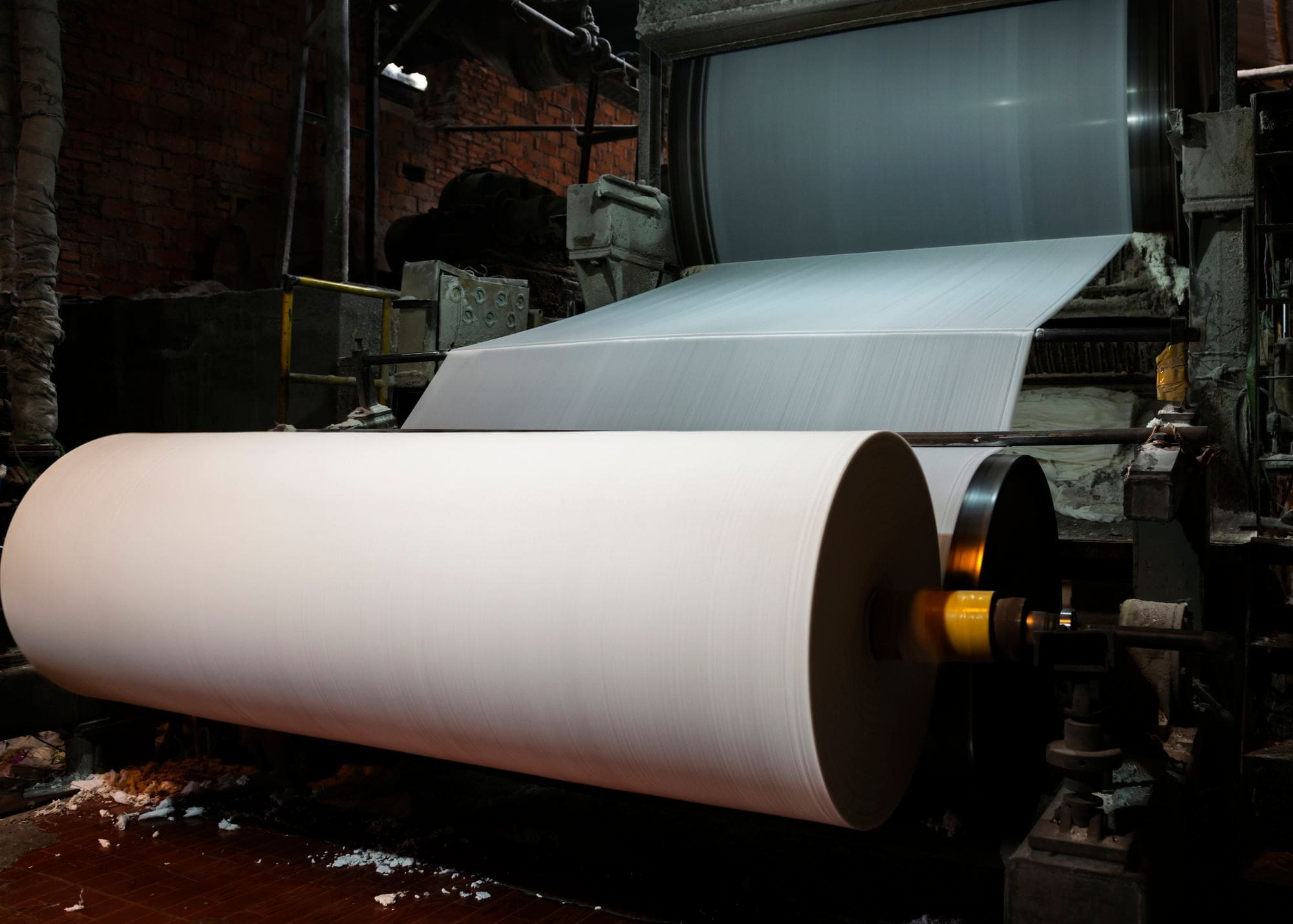
Hiring in Paper & Forest Products Manufacturing
Your Title Goes Here
Your content goes here. Edit or remove this text inline or in the module Content settings. You can also style every aspect of this content in the module Design settings and even apply custom CSS to this text in the module Advanced settings.
What Makes Hiring in Paper & Forest Products Different
Paper and forest products manufacturing involves a combination of heavy industrial operations, environmental compliance, and process chemistry knowledge that is specific enough to make lateral hiring from other manufacturing sectors genuinely difficult at the senior level. A Mill Manager or Operations Director in a pulp and paper facility needs to understand kraft or mechanical pulping processes, recovery boiler operations, chemical handling, and the specific environmental permit conditions that govern the facility’s discharge and emissions. These are not skills that transfer directly from a food plant or an automotive facility, regardless of how strong the candidate’s general operations background is.
On the forestry side, a Woodlands Manager or Harvesting Superintendent needs to understand silviculture requirements, provincial forestry legislation, equipment fleet management, and the seasonal operational constraints that shape every decision from tenure planning to road building. Forest tenure agreements, sustainable forest management certification under the Sustainable Forestry Initiative or the Forest Stewardship Council, and the environmental assessment requirements that accompany major harvesting operations are real regulatory frameworks that senior candidates need to navigate, not general concepts they can learn after starting the role.
Skilled trades in this sector carry their own credential requirements. A Power Engineer with the right provincial ticket class is a specific and sometimes scarce resource, particularly at the second- or third-class level required for operating high-pressure boiler systems in a pulp mill or co-generation facility. A millwright or instrumentation technician with experience on the specific equipment used in paper manufacturing, whether that is Fourdrinier machines, calendar stacks, or recovery boiler instrumentation systems, is not interchangeable with someone from a different process industry. The specificity matters, and a recruiter who does not understand it will not know who to look for or how to evaluate them when they find them.
Why Internal HR and Generalist Recruiters Fall Short
Paper and forest products facilities are often located in communities where the local labour market cannot supply the senior technical candidates the operation needs. That geography creates a recruiting challenge that job postings cannot solve, because the right candidate is not in the community and is not going to relocate based on a posting they happened to see. Reaching them requires direct outreach to people currently working in comparable roles at other facilities, and that kind of outreach requires knowing who those people are and how to have a credible conversation with them about a potential move.
Internal HR teams at mill operations are frequently managing the full range of workforce challenges that come with a large industrial site, including safety compliance, labour relations, and high-volume hourly hiring. Carving out the focused time and the specialized network access that a senior passive candidate search requires is difficult in that environment. The problem compounds when the role is technical enough that screening candidates accurately requires knowledge of the specific operational systems and credential requirements involved.
Generalist recruiting agencies rarely have the industry-specific knowledge that makes a difference in paper and forest products. A cold call to a senior pulp mill engineer or a Woodlands Manager from a recruiter who cannot speak intelligently about the work is a short call. Experienced operators in this sector have heard from recruiters who do not understand the industry before, and they have learned to recognize it quickly. The credibility of the person making the call shapes whether the candidate stays on the phone long enough to hear about the opportunity.
How Steven Cardwell Search and Placement Approaches It Differently
Paper and forest products searches begin with a detailed understanding of the facility, the operational context, and the specific requirements of the role. What process does the mill run? What are the environmental permit conditions that affect operations? What does the immediate operational challenge look like, and what does a strong candidate bring to it that the current team does not have? Those specifics shape who gets called and how the opportunity is framed, because a vague outreach to a passive candidate in a specialized field produces a vague response.
Direct phone outreach goes to employed candidates who match the specific profile of the role, people who are currently running comparable operations at other facilities and who would not have found this opportunity on their own. The referral network within paper and forest products manufacturing is smaller and more connected than in many industries, which means that even candidates who are not personally interested in a move will often point toward someone who might be. Working those referral chains is part of how searches in this sector get done.
Screening before presentation is specific to the operational and credential requirements of the role. Power Engineer ticket class is confirmed. Specific process experience is explored directly rather than inferred from job titles. Relocation openness is addressed early, because in a sector where many facilities are in locations that require a genuine lifestyle decision, a candidate who is not actually open to the move is not a viable candidate regardless of their qualifications. What reaches the client is a shortlist of people who meet the real requirements and have had an honest conversation about the opportunity.
The engagement runs on contingency with no fee until a placement is made and a 90-day guarantee on every hire. In a sector where replacing a senior operations or technical leader can take months under the best conditions, the guarantee provides meaningful protection. If a placed candidate does not work out within that window, the search re-opens at no additional cost. The search continues past the point where most recruiters stop, because the candidate pool in paper and forest products is narrow enough that the difference between a filled role and a stalled one is often persistence.
What a Typical Engagement Looks Like
A pulp and paper operation in northern British Columbia had a Maintenance Superintendent position open for just over three months. The role required direct experience with the specific equipment configurations used in kraft pulp production, including recovery boiler systems and lime kiln operations. Internal recruiting had not produced candidates with the right combination of operational experience and provincial trade credentials. A generalist agency had been engaged briefly but was not able to source qualified candidates from the passive market and had limited familiarity with the specific equipment and credential requirements involved. After the engagement started, direct outreach focused on maintenance leaders currently working at comparable BC and Alberta pulp facilities. A qualified candidate was identified through a referral from a contact who was not personally interested in relocating but knew the candidate from a previous operation. The role was filled within seven weeks. The candidate had not seen the posting and was not actively considering a move before being contacted.
Hiring in Paper & Forest Products Manufacturing
Your Title Goes Here
Your content goes here. Edit or remove this text inline or in the module Content settings. You can also style every aspect of this content in the module Design settings and even apply custom CSS to this text in the module Advanced settings.
What Makes Hiring in Paper & Forest Products Different
Paper and forest products manufacturing involves a combination of heavy industrial operations, environmental compliance, and process chemistry knowledge that is specific enough to make lateral hiring from other manufacturing sectors genuinely difficult at the senior level. A Mill Manager or Operations Director in a pulp and paper facility needs to understand kraft or mechanical pulping processes, recovery boiler operations, chemical handling, and the specific environmental permit conditions that govern the facility’s discharge and emissions. These are not skills that transfer directly from a food plant or an automotive facility, regardless of how strong the candidate’s general operations background is.
On the forestry side, a Woodlands Manager or Harvesting Superintendent needs to understand silviculture requirements, provincial forestry legislation, equipment fleet management, and the seasonal operational constraints that shape every decision from tenure planning to road building. Forest tenure agreements, sustainable forest management certification under the Sustainable Forestry Initiative or the Forest Stewardship Council, and the environmental assessment requirements that accompany major harvesting operations are real regulatory frameworks that senior candidates need to navigate, not general concepts they can learn after starting the role.
Skilled trades in this sector carry their own credential requirements. A Power Engineer with the right provincial ticket class is a specific and sometimes scarce resource, particularly at the second- or third-class level required for operating high-pressure boiler systems in a pulp mill or co-generation facility. A millwright or instrumentation technician with experience on the specific equipment used in paper manufacturing, whether that is Fourdrinier machines, calendar stacks, or recovery boiler instrumentation systems, is not interchangeable with someone from a different process industry. The specificity matters, and a recruiter who does not understand it will not know who to look for or how to evaluate them when they find them.
Why Internal HR and Generalist Recruiters Fall Short
Paper and forest products facilities are often located in communities where the local labour market cannot supply the senior technical candidates the operation needs. That geography creates a recruiting challenge that job postings cannot solve, because the right candidate is not in the community and is not going to relocate based on a posting they happened to see. Reaching them requires direct outreach to people currently working in comparable roles at other facilities, and that kind of outreach requires knowing who those people are and how to have a credible conversation with them about a potential move.
Internal HR teams at mill operations are frequently managing the full range of workforce challenges that come with a large industrial site, including safety compliance, labour relations, and high-volume hourly hiring. Carving out the focused time and the specialized network access that a senior passive candidate search requires is difficult in that environment. The problem compounds when the role is technical enough that screening candidates accurately requires knowledge of the specific operational systems and credential requirements involved.
Generalist recruiting agencies rarely have the industry-specific knowledge that makes a difference in paper and forest products. A cold call to a senior pulp mill engineer or a Woodlands Manager from a recruiter who cannot speak intelligently about the work is a short call. Experienced operators in this sector have heard from recruiters who do not understand the industry before, and they have learned to recognize it quickly. The credibility of the person making the call shapes whether the candidate stays on the phone long enough to hear about the opportunity.
How Steven Cardwell Search and Placement Approaches It Differently
Paper and forest products searches begin with a detailed understanding of the facility, the operational context, and the specific requirements of the role. What process does the mill run? What are the environmental permit conditions that affect operations? What does the immediate operational challenge look like, and what does a strong candidate bring to it that the current team does not have? Those specifics shape who gets called and how the opportunity is framed, because a vague outreach to a passive candidate in a specialized field produces a vague response.
Direct phone outreach goes to employed candidates who match the specific profile of the role, people who are currently running comparable operations at other facilities and who would not have found this opportunity on their own. The referral network within paper and forest products manufacturing is smaller and more connected than in many industries, which means that even candidates who are not personally interested in a move will often point toward someone who might be. Working those referral chains is part of how searches in this sector get done.
Screening before presentation is specific to the operational and credential requirements of the role. Power Engineer ticket class is confirmed. Specific process experience is explored directly rather than inferred from job titles. Relocation openness is addressed early, because in a sector where many facilities are in locations that require a genuine lifestyle decision, a candidate who is not actually open to the move is not a viable candidate regardless of their qualifications. What reaches the client is a shortlist of people who meet the real requirements and have had an honest conversation about the opportunity.
The engagement runs on contingency with no fee until a placement is made and a 90-day guarantee on every hire. In a sector where replacing a senior operations or technical leader can take months under the best conditions, the guarantee provides meaningful protection. If a placed candidate does not work out within that window, the search re-opens at no additional cost. The search continues past the point where most recruiters stop, because the candidate pool in paper and forest products is narrow enough that the difference between a filled role and a stalled one is often persistence.
What a Typical Engagement Looks Like
A pulp and paper operation in northern British Columbia had a Maintenance Superintendent position open for just over three months. The role required direct experience with the specific equipment configurations used in kraft pulp production, including recovery boiler systems and lime kiln operations. Internal recruiting had not produced candidates with the right combination of operational experience and provincial trade credentials. A generalist agency had been engaged briefly but was not able to source qualified candidates from the passive market and had limited familiarity with the specific equipment and credential requirements involved. After the engagement started, direct outreach focused on maintenance leaders currently working at comparable BC and Alberta pulp facilities. A qualified candidate was identified through a referral from a contact who was not personally interested in relocating but knew the candidate from a previous operation. The role was filled within seven weeks. The candidate had not seen the posting and was not actively considering a move before being contacted.

The Steven Cardwell Approach
Paper and forest products searches start with a deep understanding of the facility, operational context, and the specific requirements of the role. Direct outreach targets employed candidates running comparable operations, and referral networks are leveraged to reach the passive market.
Screening confirms credentials, process experience, and relocation willingness so clients receive a qualified shortlist. Engagements are contingency-based with a 90-day guarantee, and searches continue past where most recruiters stop, because persistence is key in this narrow candidate pool.
If Your Search Has Stalled, It Costs Nothing to Talk
If a paper or forest products role has been open for 30 days or more without a viable candidate in front of you, the starting point is a direct conversation about what the role requires, what the facility and operational context look like, and what a realistic path to finding the right person involves. There is no financial commitment until a placement is made. If it becomes clear in the first conversation that the fit is not right on either side, that comes out quickly. Reach out directly and let’s talk through where the search stands and what a different approach would look like.
GET IN TOUCH
Ready to Work Together?
If you have a challenging search that needs an experienced recruiter who actually picks up the phone, let's talk.