
Agriculture & Consruction
When Your Agriculture or Construction Search Has Been Open Too Long
Agriculture & Construction
Senior hiring in oil, gas, and mining does not respond to the usual approaches. The candidate pool is smaller, highly specialized, geographically spread, and far less likely to be browsing job boards. Reaching the right person requires a different kind of effort that standard recruiting channels are not built for.
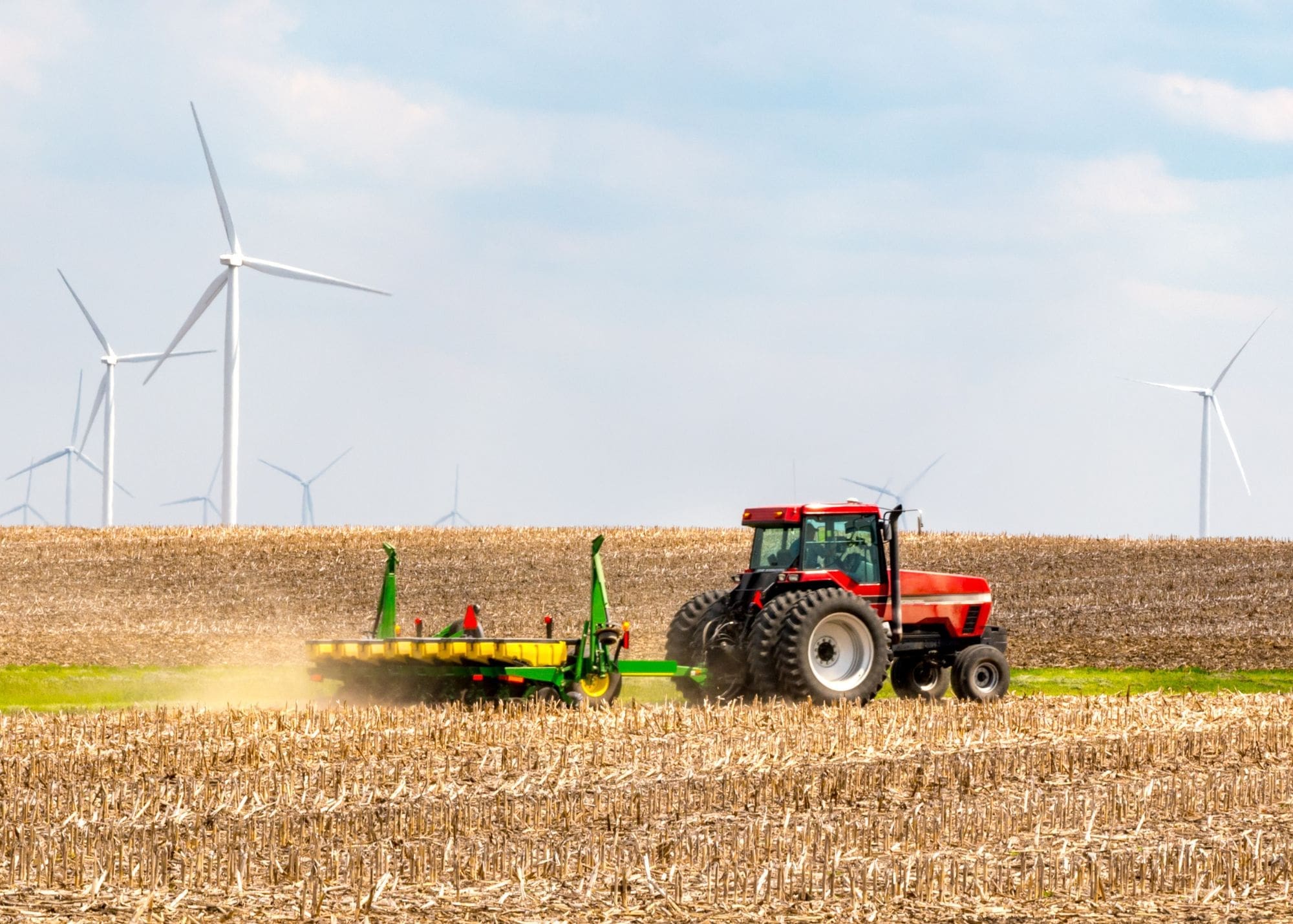
Roles Commonly Filled in Agriculture & Construction

Hiring in Agriculture & Construction
Your Title Goes Here
Your content goes here. Edit or remove this text inline or in the module Content settings. You can also style every aspect of this content in the module Design settings and even apply custom CSS to this text in the module Advanced settings.
What Makes Hiring in Agriculture & Construction Different
Agriculture and construction are hands-on industries where credentials and direct operational experience are not interchangeable. A Senior Agronomist working with a large grain operation needs to understand crop input planning, soil health, and the specific regional growing conditions that affect decision-making from season to season. A Construction Project Manager on a major infrastructure or ICI build needs to have managed real project budgets, real subtrade relationships, and real schedule pressure, not supported someone else who did. The difference between a candidate who has owned those responsibilities and one who has been adjacent to them becomes obvious the moment something goes wrong on site.
Regulatory and certification requirements add another layer of specificity. In construction, the gold seal certification from the Canadian Construction Association signals a level of project management experience and professional development that matters to serious firms. Red Seal tickets for trades are a baseline for skilled roles. Provincial occupational health and safety legislation varies, and a Safety Director or Site Superintendent who knows the rules in Ontario may need time to get up to speed in Alberta or British Columbia. In agriculture, Certified Crop Adviser designation, pesticide applicator licensing, and provincial agronomy credentials are real requirements for senior technical roles, not credentials that can be acquired on the job after hiring.
Geography matters too. Agriculture and construction work often happens in locations that are not urban centres, and senior candidates have genuine constraints around relocation, travel, and remote site work that need to be addressed directly and early. A recruiter who ignores this and presents candidates who are not actually open to the location is adding noise to a search, not moving it forward.
Why Internal HR and Generalist Recruiters Fall Short
HR teams in agriculture and construction companies typically manage hiring across a wide range of roles and are not positioned to run a focused, passive candidate search for a senior technical position at the same time. The candidate market for roles like Operations Manager, Senior Agronomist, or Director of Project Management is not active. These people are not applying to postings. Reaching them requires direct outreach, a credible conversation about the role and the company, and a follow-up when the first call does not connect. Internal teams rarely have the time or the industry-specific network to do that work on a single requisition.
Generalist recruiting agencies face the same knowledge gap that shows up in other technical industries. Agriculture and construction have their own vocabulary, their own credential systems, and their own sense of what separates a strong operator from someone who can talk about the work without having done it. A recruiter who cannot tell the difference, or who leads a cold call to a Senior Superintendent with generic language about an exciting opportunity, is not going to get far. Experienced candidates in these industries are perceptive. If the person calling them does not clearly understand the work, the conversation ends quickly.
What a Typical Engagement Looks Like
A large grain handling and agri-retail company in Saskatchewan had a Director of Agronomy position open for just over three months. Internal recruiting had produced several applicants with relevant backgrounds, but none had the combination of CCA designation, senior leadership experience, and familiarity with the company’s specific regional cropping systems. A generalist agency had been engaged briefly but was not able to produce qualified candidates from the passive market. After the engagement started, direct outreach focused on senior agronomists currently working in comparable operations across the Prairies. Through a mix of direct calls and referrals, a qualified candidate was identified who had not applied anywhere and was not actively considering a move. The role was filled within six weeks of the engagement starting.
Hiring in Agriculture & Construction
Your Title Goes Here
Your content goes here. Edit or remove this text inline or in the module Content settings. You can also style every aspect of this content in the module Design settings and even apply custom CSS to this text in the module Advanced settings.
What Makes Hiring in Agriculture & Construction Different
Agriculture and construction are hands-on industries where credentials and direct operational experience are not interchangeable. A Senior Agronomist working with a large grain operation needs to understand crop input planning, soil health, and the specific regional growing conditions that affect decision-making from season to season. A Construction Project Manager on a major infrastructure or ICI build needs to have managed real project budgets, real subtrade relationships, and real schedule pressure, not supported someone else who did. The difference between a candidate who has owned those responsibilities and one who has been adjacent to them becomes obvious the moment something goes wrong on site.
Regulatory and certification requirements add another layer of specificity. In construction, the gold seal certification from the Canadian Construction Association signals a level of project management experience and professional development that matters to serious firms. Red Seal tickets for trades are a baseline for skilled roles. Provincial occupational health and safety legislation varies, and a Safety Director or Site Superintendent who knows the rules in Ontario may need time to get up to speed in Alberta or British Columbia. In agriculture, Certified Crop Adviser designation, pesticide applicator licensing, and provincial agronomy credentials are real requirements for senior technical roles, not credentials that can be acquired on the job after hiring.
Geography matters too. Agriculture and construction work often happens in locations that are not urban centres, and senior candidates have genuine constraints around relocation, travel, and remote site work that need to be addressed directly and early. A recruiter who ignores this and presents candidates who are not actually open to the location is adding noise to a search, not moving it forward.
Why Internal HR and Generalist Recruiters Fall Short
HR teams in agriculture and construction companies typically manage hiring across a wide range of roles and are not positioned to run a focused, passive candidate search for a senior technical position at the same time. The candidate market for roles like Operations Manager, Senior Agronomist, or Director of Project Management is not active. These people are not applying to postings. Reaching them requires direct outreach, a credible conversation about the role and the company, and a follow-up when the first call does not connect. Internal teams rarely have the time or the industry-specific network to do that work on a single requisition.
Generalist recruiting agencies face the same knowledge gap that shows up in other technical industries. Agriculture and construction have their own vocabulary, their own credential systems, and their own sense of what separates a strong operator from someone who can talk about the work without having done it. A recruiter who cannot tell the difference, or who leads a cold call to a Senior Superintendent with generic language about an exciting opportunity, is not going to get far. Experienced candidates in these industries are perceptive. If the person calling them does not clearly understand the work, the conversation ends quickly.
What a Typical Engagement Looks Like
A large grain handling and agri-retail company in Saskatchewan had a Director of Agronomy position open for just over three months. Internal recruiting had produced several applicants with relevant backgrounds, but none had the combination of CCA designation, senior leadership experience, and familiarity with the company’s specific regional cropping systems. A generalist agency had been engaged briefly but was not able to produce qualified candidates from the passive market. After the engagement started, direct outreach focused on senior agronomists currently working in comparable operations across the Prairies. Through a mix of direct calls and referrals, a qualified candidate was identified who had not applied anywhere and was not actively considering a move. The role was filled within six weeks of the engagement starting.

The Steven Cardwell Approach
Every search in agriculture and construction begins with a detailed intake conversation to understand the true requirements of the role, the operational environment, what has already been attempted, and what is slowing the process. That insight drives a phone-first, direct outreach to employed candidates who match the profile, supported by referral networks and persistent follow-up, since the right hire is often several conversations removed from the first call. Candidates are screened against real, role-specific criteria such as designations, scope of responsibility, project types, contract values, geography, and operational fit, so clients receive a focused shortlist rather than keyword-matched resumes. The engagement is contingency based with no fee until a placement is made, a 90-day guarantee on every hire, and a search that reopens at no additional cost if the placement does not work out, removing the financial risk of restarting a delayed search.
If Your Search Has Stalled, It Costs Nothing to Talk
If a defense or space manufacturing role has been open for 30 days or more without qualified candidates in front of you, the starting point is a direct conversation about what the role requires, what has already been attempted, and whether a different approach to the passive candidate market is likely to produce a better result. There is no financial commitment until a placement is made. If it becomes clear in the first conversation that the fit is not right, that will come out quickly. Reach out directly and let’s talk through where the search stands.
GET IN TOUCH
Ready to Work Together?
If you have a challenging search that needs an experienced recruiter who actually picks up the phone, let's talk.