
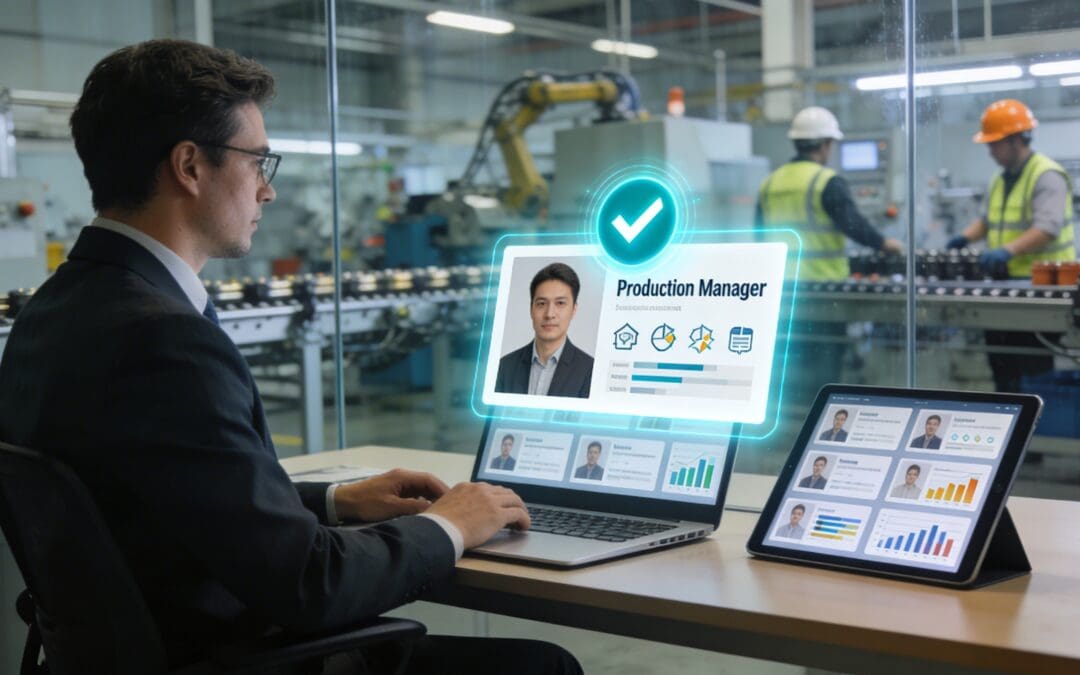
Finding the right production manager can transform your operations and drive efficiency. Discover top strategies to attract and retain this vital role!

Understanding the Role of a Production Manager

The role of a production manager is pivotal in ensuring the seamless operation of manufacturing processes. As the linchpin of the production team, a production manager is responsible for overseeing the production process, coordinating various activities to ensure products are manufactured efficiently, on time, and within budget. They are tasked with planning, coordinating, and controlling manufacturing processes so that products are delivered at the right cost and quality levels. This includes managing resources, both human and material, to meet production targets and maintaining a safe working environment.

Moreover, production managers must be adept at problem-solving, as they often encounter unexpected challenges that could impede the production flow. From machinery malfunctions to supply chain disruptions, a production manager’s ability to think on their feet and make quick, informed decisions is crucial. They also play a key role in implementing and maintaining quality control systems to ensure that the end products meet the required standards. This involves regular monitoring and evaluation of production processes and making necessary adjustments to improve efficiency and effectiveness.

Additionally, production managers must liaise with other departments such as procurement, sales, and engineering to ensure a cohesive approach to production. Effective communication and collaboration with these departments are essential to align production goals with the overall business strategy. This multifaceted role requires a blend of technical knowledge, leadership skills, and business acumen, making the recruitment of a proficient production manager a strategic priority for any manufacturing organization.

Key Skills and Qualifications to Look For

When recruiting a production manager, it is imperative to identify candidates who possess a specific set of skills and qualifications. Firstly, a strong educational background in fields such as engineering, manufacturing, or industrial management is often required. A bachelor’s degree is typically the minimum requirement, but candidates with advanced degrees or specialized certifications in production management can provide added value. These educational qualifications ensure that the candidate has a solid foundation in the technical aspects of production processes.

In addition to educational qualifications, practical experience in a manufacturing environment is crucial. Candidates with a proven track record of managing production lines, supervising staff, and implementing process improvements are highly desirable. This hands-on experience allows them to navigate the complexities of production management and apply their knowledge to real-world situations. Moreover, experience with specific industry sectors or types of manufacturing can also be beneficial, as it indicates familiarity with the unique challenges and requirements of those sectors.

Equally important are the soft skills that a production manager must possess. Leadership and people management skills are essential, as production managers need to motivate and guide their teams to achieve high performance. Strong communication skills are also vital, as they must effectively convey instructions and collaborate with various stakeholders. Problem-solving abilities, attention to detail, and the capability to work under pressure are other key attributes that can significantly impact the success of a production manager. By identifying candidates with this combination of technical expertise and soft skills, you can ensure that you are recruiting a well-rounded and capable production manager for your organization.

Crafting an Effective Job Description

An effective job description is a critical tool in attracting the right candidates for the production manager role. It serves as the first point of contact between your organization and potential applicants, so it must be clear, concise, and compelling. Begin by providing a brief overview of your company, including its mission, values, and the industry it operates in. This context helps candidates understand the environment they will be working in and align their expectations with your organizational culture.

Next, clearly outline the key responsibilities and duties of the production manager role. This section should detail the daily tasks they will be expected to perform, such as overseeing production schedules, managing staff, ensuring compliance with safety regulations, and liaising with other departments. Be specific about the scope of the role and the level of responsibility involved. This transparency helps candidates assess whether they have the necessary experience and skills for the job.

Additionally, list the qualifications and skills required for the position. This includes educational background, years of relevant experience, and any specific technical skills or certifications. It’s also important to highlight the soft skills that are essential for the role, such as leadership, communication, and problem-solving abilities. Finally, provide information on the benefits and opportunities your company offers, such as career development programs, competitive salary, and a positive work environment. This not only attracts high-quality candidates but also conveys that your organization values and invests in its employees.

Utilizing Multiple Recruitment Channels

To reach a broad pool of qualified candidates, it is essential to utilize multiple recruitment channels. Relying on a single method limits your reach and may result in missing out on top talent. Traditional job boards and company websites are a good starting point, as they are well-known and frequently visited by job seekers. However, to maximize your chances of finding the perfect production manager, you should also explore other avenues.

Social media platforms such as LinkedIn, Facebook, and Twitter are invaluable tools for recruitment. LinkedIn, in particular, is a powerful platform for professional networking and job postings. You can use it to post job advertisements, search for potential candidates, and connect with industry professionals. Facebook and Twitter can also be used to share job openings and reach a wider audience. Additionally, consider using industry-specific forums and online communities where production professionals are likely to congregate.

Employee referrals are another effective recruitment channel. Encourage your current employees to refer qualified candidates for the production manager role. Employees who make successful referrals can be rewarded with incentives, which not only motivates them but also leverages their networks to find suitable candidates. Recruitment agencies and headhunters that specialize in manufacturing and production roles can also be valuable partners in your search. By utilizing a combination of these channels, you can cast a wider net and increase your chances of finding the ideal production manager.

The Importance of Employer Branding

Employer branding is a crucial aspect of attracting top talent, including production managers. A strong employer brand communicates the values, culture, and benefits of working at your organization, making it more attractive to potential candidates. In today’s competitive job market, candidates often research potential employers before applying for a job. A positive employer brand can differentiate your company from others and make it a preferred choice for job seekers.

To build a strong employer brand, start by identifying what sets your company apart from others. This could be your company culture, career development opportunities, commitment to innovation, or focus on employee well-being. Highlight these unique selling points in your job descriptions, on your company website, and in your social media presence. Use testimonials from current employees to showcase their experiences and the positive aspects of working at your organization. This provides an authentic view of your company and helps build credibility.

Additionally, ensure that your recruitment process reflects your employer brand. From the initial job posting to the final interview, every interaction with potential candidates should be professional, respectful, and aligned with your company’s values. A positive candidate experience can reinforce your employer brand and leave a lasting impression, even on those who may not be selected for the role. By investing in employer branding, you can attract high-quality candidates who are not only qualified but also a good fit for your company culture.

Screening and Shortlisting Candidates

Once you have attracted a pool of candidates, the next step is to screen and shortlist those who are most suitable for the production manager role. This process involves evaluating resumes, cover letters, and application forms to identify candidates who meet the required qualifications and experience. Begin by reviewing each application against the criteria outlined in the job description. Look for relevant educational background, work experience, and specific skills that align with the role’s requirements.

While reviewing applications, pay attention to any red flags that may indicate potential issues. These could include frequent job changes, gaps in employment, or a lack of progression in their career. However, it’s also important to consider the context and not dismiss candidates solely based on these factors. Some candidates may have valid reasons for these anomalies, and further investigation during the interview process may reveal their suitability for the role.

After the initial screening, create a shortlist of candidates who meet the essential criteria. This list should include those who possess the required qualifications, relevant experience, and demonstrate potential to excel in the role. Contact these candidates to schedule preliminary interviews, which can be conducted via phone or video calls. These initial interviews provide an opportunity to further assess their suitability and gather additional information that may not be evident from their applications. By effectively screening and shortlisting candidates, you can ensure that you focus your efforts on those who have the potential to be the perfect production manager.

Conducting Effective Interviews

Conducting effective interviews is a critical step in the recruitment process for a production manager. Interviews provide an opportunity to evaluate candidates’ skills, experience, and cultural fit in more depth. To ensure a structured and fair interview process, start by preparing a set of questions that cover key areas such as technical knowledge, problem-solving abilities, leadership skills, and behavioral traits. These questions should be designed to elicit detailed responses that provide insight into the candidate’s capabilities and suitability for the role.

During the interview, create a welcoming and professional environment to put candidates at ease. Begin with an introduction to your company and the role, and outline the interview process. This helps candidates understand what to expect and allows them to prepare their responses accordingly. As you ask your prepared questions, listen actively to the candidates’ answers and take notes. Pay attention to both the content of their responses and their communication style, as both are important indicators of their suitability for the role.

In addition to asking questions, provide candidates with scenarios or case studies that are relevant to the production manager role. Ask them to describe how they would handle specific situations or challenges, and evaluate their problem-solving approach and decision-making skills. Encourage candidates to ask questions about the role and the company, as this demonstrates their interest and engagement. By conducting thorough and effective interviews, you can gain valuable insights into each candidate’s strengths and weaknesses and make informed decisions about their suitability for the production manager role.

Assessing Cultural Fit and Team Dynamics

Assessing cultural fit and team dynamics is a crucial aspect of the recruitment process for a production manager. While technical skills and experience are important, a candidate’s ability to align with your company culture and work effectively within your team can significantly impact their success in the role. Cultural fit refers to how well a candidate’s values, beliefs, and behaviors align with the organization’s culture. To assess cultural fit, consider incorporating behavioral interview questions that explore the candidate’s attitudes, work style, and interpersonal skills.

During the interview process, observe how candidates interact with you and other team members. Pay attention to their communication style, level of enthusiasm, and ability to build rapport. These interactions can provide valuable insights into how well they will integrate into your team. Additionally, consider involving key team members in the interview process. This allows you to gather diverse perspectives on the candidate’s fit and ensures that the final decision is a collaborative one.

Team dynamics are also an important consideration when assessing candidates for a production manager role. A production manager must be able to lead and motivate their team, foster collaboration, and resolve conflicts effectively. To evaluate a candidate’s potential impact on team dynamics, ask questions that explore their leadership style, experience in managing teams, and approach to handling difficult situations. This will help you determine whether they have the skills and temperament to contribute positively to your team. By thoroughly assessing cultural fit and team dynamics, you can ensure that the candidate you choose will be a good match for your organization and contribute to a harmonious and productive work environment.

Onboarding Strategies for New Hires

Once you have selected the perfect production manager, it is essential to have a comprehensive onboarding strategy in place to ensure their smooth integration into the organization. Onboarding goes beyond the initial orientation and involves a series of activities designed to help new hires understand their roles, acclimate to the company culture, and become productive members of the team. A well-structured onboarding process can significantly impact the new hire’s performance, job satisfaction, and retention.

Begin the onboarding process by providing new hires with a detailed orientation program that covers essential information about the company, its values, policies, and procedures. This can include an introduction to key team members, a tour of the facilities, and an overview of the production processes. Providing new hires with a comprehensive employee handbook that outlines company policies, safety protocols, and other important information is also beneficial. This helps them understand the expectations and standards of the organization from the outset.

In addition to the orientation, develop a training plan tailored to the new production manager’s role. This plan should include hands-on training, mentorship, and opportunities to shadow experienced team members. Assign a mentor or buddy to the new hire to provide guidance, answer questions, and offer support during the initial weeks. Regular check-ins and feedback sessions are also crucial to monitor progress, address any challenges, and ensure that the new hire feels supported and valued. By implementing effective onboarding strategies, you can set your new production manager up for success and foster a positive and productive work environment.

Conclusion: Building a Strong Production Management Team

Building a strong production management team is essential for the success and growth of any manufacturing organization. The production manager plays a critical role in driving efficiency, maintaining quality, and ensuring that production targets are met. By adopting the strategies outlined in this article, you can attract, recruit, and retain top talent for this vital role. Understanding the role of a production manager, identifying key skills and qualifications, crafting an effective job description, utilizing multiple recruitment channels, and strengthening your employer brand are all crucial steps in the recruitment process.

Additionally, thorough screening and shortlisting, conducting effective interviews, assessing cultural fit and team dynamics, and implementing comprehensive onboarding strategies are essential to ensure that you select the right candidate and set them up for success. Investing time and effort in building a strong production management team can lead to improved operational efficiency, higher employee satisfaction, and a competitive advantage in the market. By following these strategies, you can recruit the perfect production manager who will contribute to the long-term success and growth of your organization.